Static vs Animated (Side By Side)
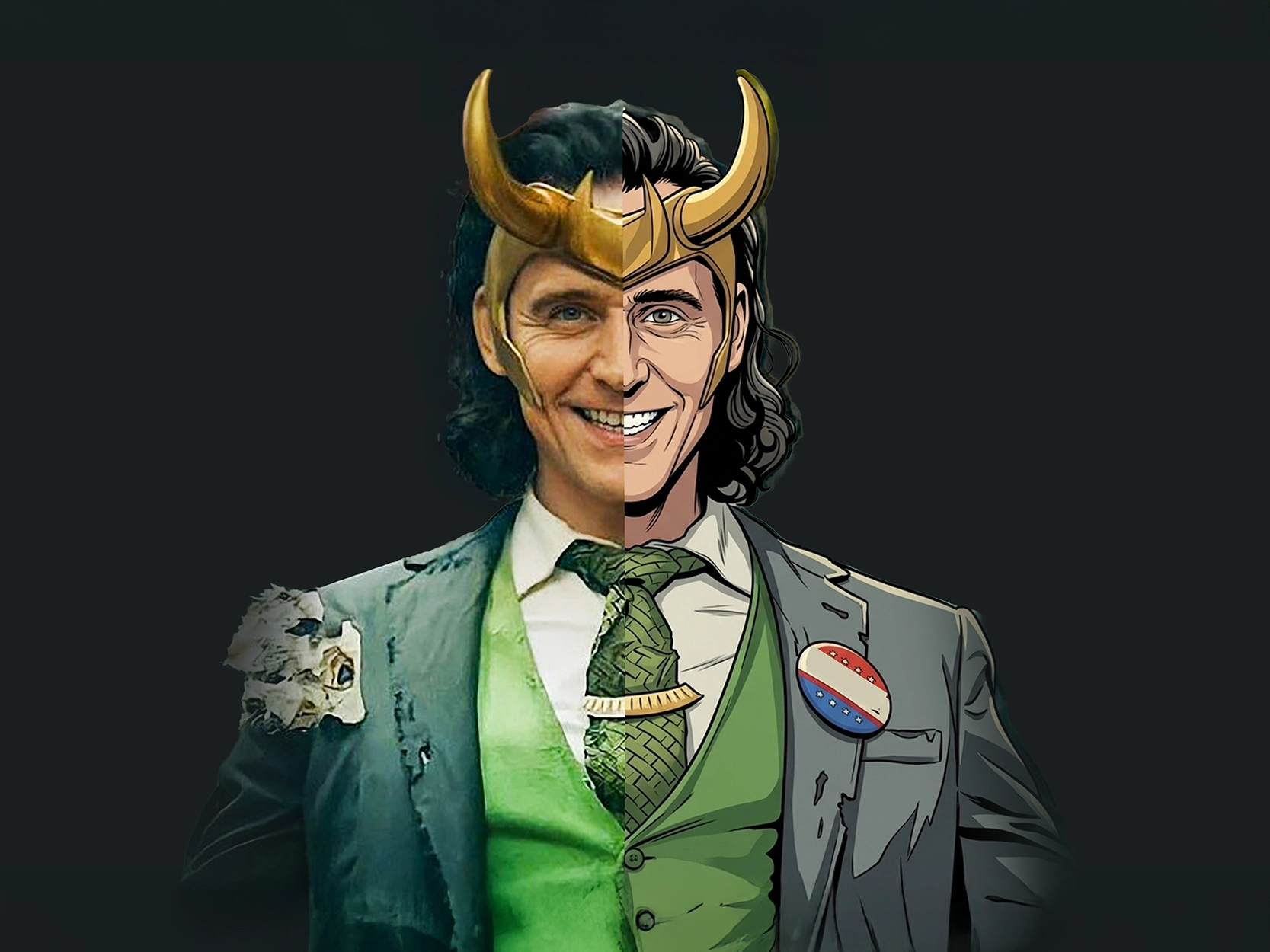
Static content used to be enough. A single image could tell a story, capture attention, and drive engagement. But today, the landscape has changed. With the rise of reels and short-form video, audiences don’t just scroll they experience content. Motion adds life, emotion, and direction. It guides the viewer’s attention and makes the message more memorable.
Because static content is seen, Motion content is felt.
1. Static vs Motion
In a world of endless scrolling, static content often blends into the background. It has become harder to hold attention with a single image, as audiences are constantly exposed to large volumes of content. Unless the static visual is exceptionally creative, highly informative, or tied to a trending topic, users tend to scroll past it quickly.
Motion content, on the other hand, is designed to capture and guide attention.
Through movement, timing, sound design, and strong opening hooks, motion immediately engages the viewer. Animation naturally directs the eye, highlights key information, and creates a sense of progression that keeps viewers watching.
Elements like dynamic transitions, purposeful pacing, and impactful sound design help maintain energy and increase retention. This makes motion content more immersive and memorable. As a result, audiences are more likely to interact with, share, and recall motion content compared to static visuals.
Motion doesn’t just present information it delivers an experience.
2. Engagement & Retention
Video content consistently drives higher engagement compared to static visuals. On social media platforms, motion naturally interrupts scrolling behavior because the human brain is wired to notice movement. This initial attention is critical, but what makes motion truly powerful is its ability to sustain that attention over time.
Motion design increases watch time, which is one of the most important performance metrics on modern platforms. When viewers spend more time watching a piece of content, platform algorithms recognize it as valuable and are more likely to distribute it to a wider audience. Elements like smooth transitions, intentional pacing, and strong visual hooks encourage viewers to continue watching until the end.
Motion also improves information retention. When visuals, movement, and sound work together, they create a multi-sensory experience. This makes it easier for the brain to process and remember the message. Instead of passively viewing an image, the audience actively follows the story as it unfolds.
Another key advantage is stronger brand recall. Motion allows brands to express personality through animation style, timing, typography, and sound. These elements create a recognizable identity that audiences remember. Even simple motion, like animated logos or kinetic typography, can significantly increase how memorable a brand feels.
In today’s attention economy, where every second of focus is valuable, motion design has become one of the most effective tools for capturing attention, holding it, and leaving a lasting impression.
Some Example of simple Motion designed video:
1. https://www.instagram.com/p/DT0PT-UjzbI/
2. https://www.instagram.com/p/DSy6gQzgEff/
3. https://www.instagram.com/p/DPx6t1qEgye/
3. Premium Feel with 3D CGI
Static and 2D motion design are powerful tools, but 3D CGI takes visual storytelling to an entirely new level. It introduces depth, realism, and cinematic quality that makes content feel more immersive and premium.
With realistic lighting, cinematic camera movement, detailed materials, and fully controllable environments, 3D allows designers to create visuals that would be difficult, expensive, or even impossible to capture in real life. Whether it’s a product floating in a surreal environment or a perfectly lit hero shot, 3D CGI gives complete creative control over every visual element.
This level of visual quality naturally captures attention. High-end visuals create a stronger first impression, which increases the likelihood that audiences will stop scrolling and engage with the content. More importantly, premium visuals influence how audiences perceive the brand itself. When the visuals look premium, the brand feels premium.
In today’s fast-moving digital world, where audiences are constantly exposed to content, high-quality 3D visuals help brands stand out and remain memorable. The combination of depth, motion, and realism creates a cinematic experience that static or basic motion often cannot achieve.
Types of 3D CGI used in modern content
3D CGI is a broad field with many applications across marketing, entertainment, and digital experiences. Some of the most common types include:
1. Product Animation
Used to showcase products with dynamic camera angles, material details, and clean, controlled lighting. Common in tech, automotive, and consumer brands.
2. CGI Advertisements
High-end promotional content that combines storytelling, cinematic visuals, and brand messaging to create visually striking ads.
3. Visual Effects (VFX)
Used to create realistic environments, simulations, or enhancements that cannot be filmed in reality.
4. 3D Motion Design
Combines motion design principles with 3D elements to create abstract visuals, typography animation, and brand visuals.
5. AR and VR Experiences
Interactive 3D environments that allow users to experience products or stories in immersive ways.
6. 3D Storytelling and Character Animation
Uses characters, environments, and animation to tell deeper, emotionally engaging stories.
Some Example of 3D CGI video:
1. https://www.instagram.com/p/DMugT0-TVMQ/
2. https://www.instagram.com/p/DMp_Mc_zrO0/
3. https://www.instagram.com/p/DMiqjWgzot3/
4. https://www.instagram.com/p/DMt4BQhTCdb/
While 3D CGI can require more time, skill, and production investment compared to static or basic motion design, the impact it creates is significantly higher. It helps brands differentiate themselves, communicate quality, and create memorable visual experiences.
In a crowded digital space filled with generic content, 3D CGI gives brands the ability to stand out, elevate their identity, and create a lasting impression.
Because when the visual experience feels premium, the brand becomes unforgettable.
4. AI in 2D & 3D
AI is transforming the way motion designers work. It accelerates production, speeds up ideation, and helps creators move from concept to execution faster than ever before. Tasks that once took hours such as generating visual references, creating assets, or exploring style variations can now be done in minutes.
This doesn’t replace creativity. It enhances it.
AI works best when treated as a tool, not a replacement for human thinking. Creativity, storytelling, timing, and emotional understanding still come from the designer. AI simply removes technical friction, allowing creators to focus more on ideas and execution rather than repetitive manual work.
Instead of replacing artists, AI empowers them to work faster, experiment more, and push creative boundaries further.
How AI helps in real motion design workflows
1. Faster Concept Development
AI can generate visual references, style frames, and mood boards quickly. This helps designers explore multiple creative directions before starting production.
2. Asset Generation for 2D and 3D
AI can assist in generating textures, images, backgrounds, and reference visuals that would normally take hours to create manually. Designers can then refine and integrate these assets into their motion projects.
3. Workflow Acceleration
AI helps speed up repetitive tasks such as background removal, upscaling, cleanup, and variations. This improves efficiency without compromising creative control.
4. Idea Exploration and Iteration
Designers can quickly test different visual styles, lighting ideas, compositions, and concepts before committing to final production.
5. Supporting Creative Direction (Not Replacing )
AI generates possibilities, but human designers make the final creative decisions. Timing, storytelling, emotion, and visual hierarchy still rely on human expertise.
AI provides the building blocks. Designers bring them to life.
Popular AI tools useful for motion designers
Here are some widely used and accessible tools that support motion design workflows:
1. Freepik AI
Provides AI-generated images, textures, and design assets useful for concept development and visual exploration.
2. ChatGPT
Useful for content writing, concept development, scripting, ideation, and image generation.
3. Google Gemini
Helps with image generation, ideation, and creative assistance.
4. Envato
Offers templates, motion graphics assets, and AI-assisted tools to speed up production.
The real role of AI in motion design
AI does not replace motion designers. It amplifies their capabilities.
It allows creators to:
Work faster
Experiment more
Focus on storytelling
Increase productivity
Deliver higher quality work efficiently
The future of motion design is not AI vs humans.
It’s AI with humans.
Because tools can generate visuals but only humans create meaning.
5. Bubble breakers
Static informs. Motion persuades. And in digital advertising, persuasion is everything.
In today’s fast-moving digital world, attention is limited and competition is endless. Brands need more than just visuals they need experiences that capture attention, communicate value, and leave a lasting impression. Motion design transforms ideas into engaging visual stories that audiences don’t just see, but remember.
At The Bubbles Breaker, we use every creative tool available from motion design and 3D CGI to modern AI-assisted workflows to craft content that elevates brands and helps them stand out in a crowded digital space. Every frame is designed with purpose, ensuring your message reaches the right audience with clarity, impact, and emotion.
Because in the end, great motion doesn’t just make your brand visible. It makes your brand unforgettable.

Let's talk about
your project!